
By Emmanuel Onyedika
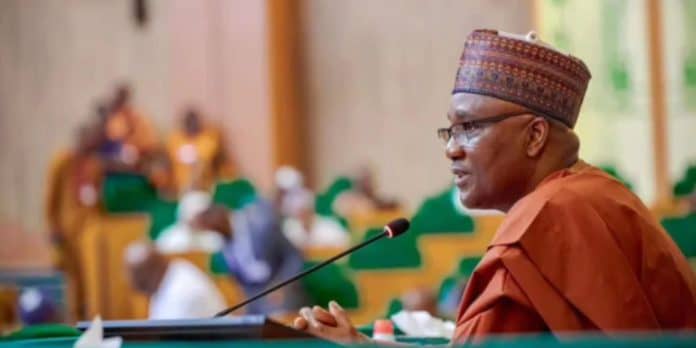
Speaker of the House of Representatives, Hon. Abbas Tajudeen, has disclosed that the 10th House received a record 2,747 bills from Nigerians in its first three legislative years, describing the figure as the highest since Nigeria’s return to democratic rule in 1999.
Speaking on Tuesday at the opening of the 2026 National Assembly Open Week and the unveiling of the House’s third-year legislative scorecard in Abuja, Abbas said 363 bills had been passed, while 72 had received presidential assent and become law.
He explained that the annual Open Week was designed to promote accountability and public participation in the legislative process rather than celebrate lawmakers’ achievements.
Highlighting the House’s legislative record, the Speaker said laws enacted by the 10th Assembly include the student loan scheme, reforms to Nigeria’s revenue system and the establishment of development commissions across the country’s geopolitical zones. He added that the House had also received more than 800 public petitions, resolving hundreds of them.
Defending the National Assembly’s support for President Bola Tinubu’s economic reforms, Abbas said the legislature provided the legal framework for tax reforms, student financing and annual budgets aimed at infrastructure, power and human capital development.
On security, the Speaker announced that President Tinubu had transmitted an Executive State Police Bill to the National Assembly. He said the House would withdraw its earlier version and give the new bill expedited consideration, while assuring Nigerians that it would undergo public hearings and include safeguards against abuse by state governments.
He also reaffirmed support for the proposed Special Seats Bill to increase women’s representation in elective offices, explaining that beneficiaries would emerge through an Electoral College system rather than political appointments.
Acknowledging concerns over the slow progress of some bills and the proliferation of proposed government agencies, Abbas said the House was taking steps to improve legislative efficiency and reduce the cost of governance.
He urged Nigerians to participate more actively in lawmaking by studying bills, attending public hearings and submitting memoranda, insisting: “Democracy thrives when citizens engage directly with their parliament.”