
By Tekena Amieyeofori
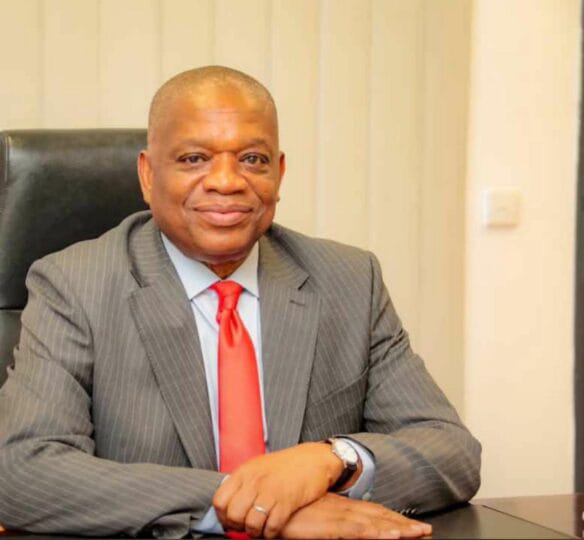
Senator Orji Uzor Kalu, representing Abia North, has drawn a red line for his membership in the All Progressives Congress, APC. He said he would resign from the ruling party if President Bola Tinubu personally insults the Catholic Church or the political opposition.
Kalu made the statement on Thursday, August 6, 2026, during Channels Television’s Politics Today. His comments come a week after President Tinubu hosted the Catholic Bishops’ Conference of Nigeria, CBCN, at the Presidential Villa.
What sparked the controversy
The CBCN delegation was led by Archbishop Matthew Ndagoso of Kaduna. At the meeting, the bishops raised concerns over rising cost of living, hunger, and the deteriorating security situation nationwide.
After the meeting, Cardinal John Onaiyekan, former Archbishop of Abuja, told journalists that the president was displeased with the tone of the bishops’ message. The matter escalated when Daniel Bwala, Special Adviser to the President on Media and Policy, publicly accused the Catholic Church of aligning with opposition parties.
The presidential aide’s comments drew backlash from religious leaders, civil society, and several APC members who argued that the Church plays a legitimate prophetic role in governance.
In his reaction, the former Abia governor sided with the bishops, saying “The Catholic bishops were right. If they had said anything less than what they said, they would no longer be the conscience of this country,”.
Kalu however did not blame Tinubu directly. He separated the president from comments made by his aides, citing his own experience as governor.
“The villa is not President Tinubu. I was a governor and I understand how communication works. President Tinubu has a very good relationship with the Catholic Church,” Kalu said.
He also dismissed calls for a presidential apology, noting that he did not see any action by Tinubu that warranted it. “Any day President Tinubu disrespects the opposition, or the Catholic Church, I will resign from the APC,” he said.
The Catholic Church is the largest Christian denomination in Nigeria with over 30 million adherents and a strong network of schools, hospitals, and social programmes. The CBCN has historically acted as a moral voice on governance, especially during periods of economic crisis.
Tinubu himself is a Muslim but has cultivated ties with Catholic leaders since his time as Lagos governor. His administration has appointed several Catholics to key positions, and the Villa meeting was billed as part of ongoing stakeholder engagement.
Kalu’s take on the economy and security
The senator also assessed the Tinubu administration’s three years in office. He said macroeconomic indicators were improving but admitted ordinary citizens were not feeling the impact yet.
“The macro side of the economy has been stabilised. The exchange rate is stabilising, fuel prices are stabilising, foreign direct investments are coming in and confidence is gradually returning,” he said.
“As a businessman, I manufacture goods, and I know the microeconomy is not doing well. President Tinubu himself knows Nigerians are suffering,” he added.
Kalu, who runs Slok Group with interests in manufacturing and trading, linked the hardship at the grassroots to insecurity. He argued that until farmers can safely return to their farms in Benue, Plateau, Niger, and Zamfara, food inflation will remain high.
Since 2023, the government has removed fuel subsidy, floated the naira, and launched several investment drives. The exchange rate has moved from over ₦1,600/$ in March 2024 to around ₦1,360/$ as of August 2026, while inflation, though still in double digits, has begun to slow.
Kalu’s remarks may have put pressure on the presidency to manage its messaging. With 2027 elections approaching, some political analysts have submitted that the APC will be keen to avoid a public rift with a major religious institution like the Catholic Church. There are fears that any perceived confrontation could cost the party critical votes in parts of the country where the church has significant grassroots influence. For now, the ball appears to be in the Villa’s court to reaffirm its relationship with religious leaders and keep party stakeholders aligned ahead of the forthcoming 2027 elections.