
By Izu Amadi
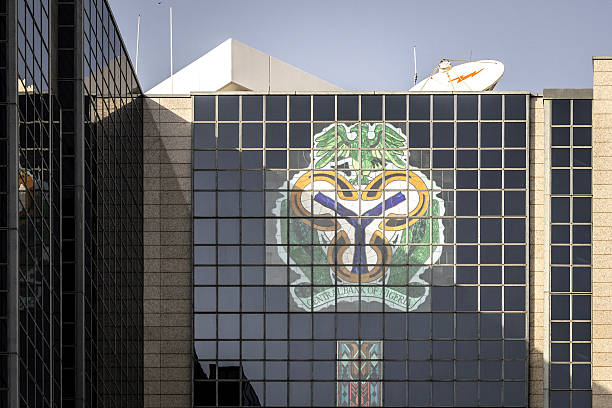
The Central Bank of Nigeria has withdrawn the operating permits of 46 microfinance banks nationwide. The apex bank attributed the decision to several regulatory breaches, such as failure to meet minimum capital requirements, insolvency, prolonged inactivity, and non-commencement of operations after licensing.
The withdrawal became effective on July 1, 2026. The CBN made the announcement in an official press release on Wednesday. The statement was signed by Mrs Hakama Sidi-Ali, who serves as Acting Director of the Corporate Communications Department.
The CBN stated that its Governor, Olayemi Cardoso, approved the action. He acted under the authority granted by Sections 12 and 13 of the Banks and Other Financial Institutions Act, 2020.
The microfinance banks affected are spread across multiple states. Kano recorded the highest number of licence withdrawals. Lagos followed, with other affected states including Abia, Kebbi, Niger, Ogun, Kaduna, Plateau, Rivers, Bayelsa, Benue, Cross River, Delta, Ondo, Osun, Oyo, Anambra, and the Federal Capital Territory.
The CBN explained that the 46 microfinance banks could not meet the basic requirements needed to keep their operating licences. The regulator noted that the licence withdrawal was triggered by one or more violations. These included having inadequate assets to cover obligations, shutting down operations without obtaining CBN approval, remaining inactive and ceasing financial intermediation, failing to begin operations within 12 months of being licensed, and not sustaining the minimum capital requirement free of losses.
The regulator observed that these shortcomings showed many of the institutions were either under financial stress or had stopped carrying out their main function. That function is to deliver financial services to underserved individuals and small-scale enterprises.
The CBN described the action as part of a wider supervisory plan to build trust in Nigeria’s financial system. The objective is to ensure that only financially sound and regulation-compliant institutions continue to operate.
The apex bank said the licence withdrawal aligns with its continuous efforts to protect the stability of the financial sector. It also aims to secure depositors’ funds and guarantee that licensed institutions adhere to current laws and regulatory standards.
The CBN added that it remains dedicated to fostering a financial system that is safe, stable, and resilient. It stated that it will keep taking necessary supervisory and regulatory steps whenever required to preserve public trust in the nation’s banking sector.
The list published by the CBN indicates that Kano had the largest number of affected institutions.
The latest withdrawal highlights the CBN’s ongoing enforcement of prudential guidelines across Nigeria’s financial landscape. The bank continues to pursue measures aimed at improving the health of licensed financial entities.
Microfinance banks play a vital role in providing financial access to low-income households, microenterprises, and small businesses. However, institutions that do not comply with regulatory standards can create risks for depositors and for the wider financial system.
Finance analysts had earlier urged the Central Bank of Nigeria to mandate that all deposit-taking fintech companies and microfinance banks publish their annual financial statements. They argued that entities holding public funds should be subject to higher levels of transparency.