
By Goodluck Braide
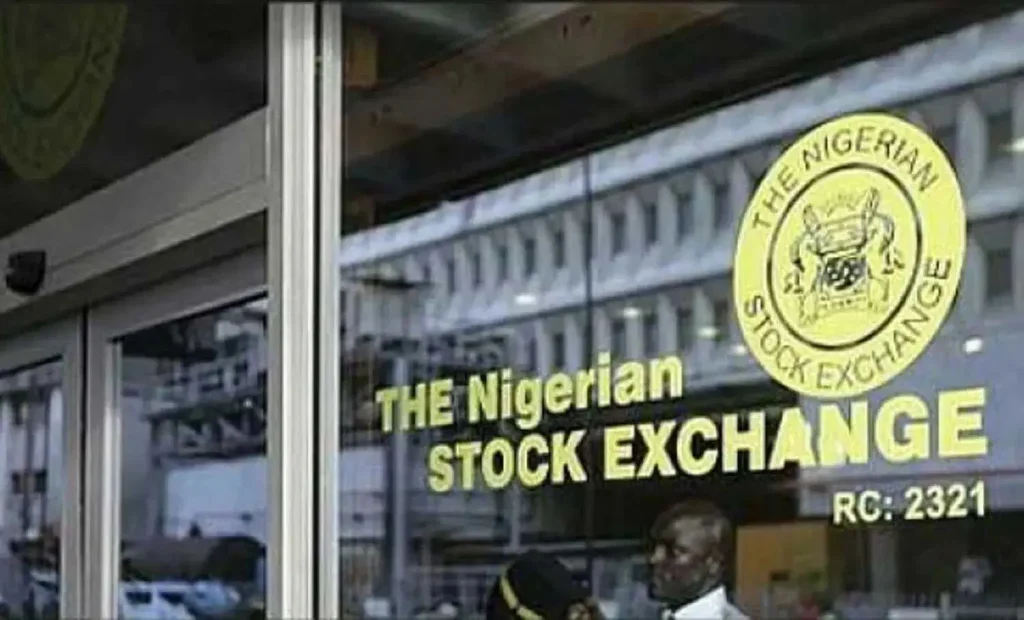
The Nigerian stock market endured one of its most significant downturns of 2026 during the week, as sustained selling pressure erased trillions of naira in investor wealth and reversed gains accumulated earlier in the year.
Data from the Nigerian Exchange (NGX) showed that the All-Share Index (ASI) and overall market capitalization fell by 3.59 per cent, closing at 235,941.27 points and N151.327 trillion, respectively. Within just five trading sessions, investors lost approximately N5.69 trillion in market value.
This sharp selloff effectively wiped out the N4.59 trillion gain recorded in May, underscoring the volatility that has gripped the equities market in recent weeks. At the end of April, market capitalization stood at N155.994 trillion, rising to N160.59 trillion in May. But June ushered in profit-taking and portfolio adjustments that dragged capitalization down to N151.32 trillion, a month-to-date decline of 5.77 per cent.
Despite these losses, the ASI remains up 51.62 per cent year-to-date, though this is well below the peak return of 60.9 per cent recorded in May. The correction has erased all gains achieved during that month and raised concerns about further declines before June closes.
Market breadth weakened considerably. Only 11 equities appreciated, compared with 40 gainers the previous week. In contrast, 78 stocks declined, up from 53, while 57 closed unchanged. Among the hardest hit were First HoldCo and GTCO, which fell 20.2 per cent and 15 per cent, respectively.
Analysts attribute the downturn to several factors. Profit-taking after months of strong rallies has been a major driver, with investors locking in gains from stocks that had delivered triple-digit returns. Dividend adjustments also weighed heavily, as companies including UACN, Eterna Plc, FCMB Group, Airtel Africa, Dangote Cement, and Champions Breweries traded ex-dividend, leading to markdowns.
Institutional portfolio rebalancing ahead of the second half of the year has further pressured equities, with fund managers shifting into fixed-income instruments where yields remain attractive. The most recent one-year Treasury Bills auction drew subscriptions of over N1.86 trillion, reflecting strong demand for the 17.34 per cent yield.
Another source of pressure is linked to the anticipated Dangote Refinery private placement, expected to be one of Nigeria’s largest corporate fundraising exercises. Market participants suggest that some investors have liquidated equity positions to raise liquidity for the deal, intensifying selling pressure. Sources indicate bids exceeding $5 billion were received from institutional investors and high-net-worth individuals.
The scale of the decline highlights the fragility of investor sentiment. With N5.69 trillion wiped off in one week, investors lost an average of N1.14 trillion per trading day. As June draws to a close, market watchers will be monitoring sentiment, fixed-income yields, and corporate actions to determine whether this correction is temporary or the start of a more prolonged downturn.